


Robotics
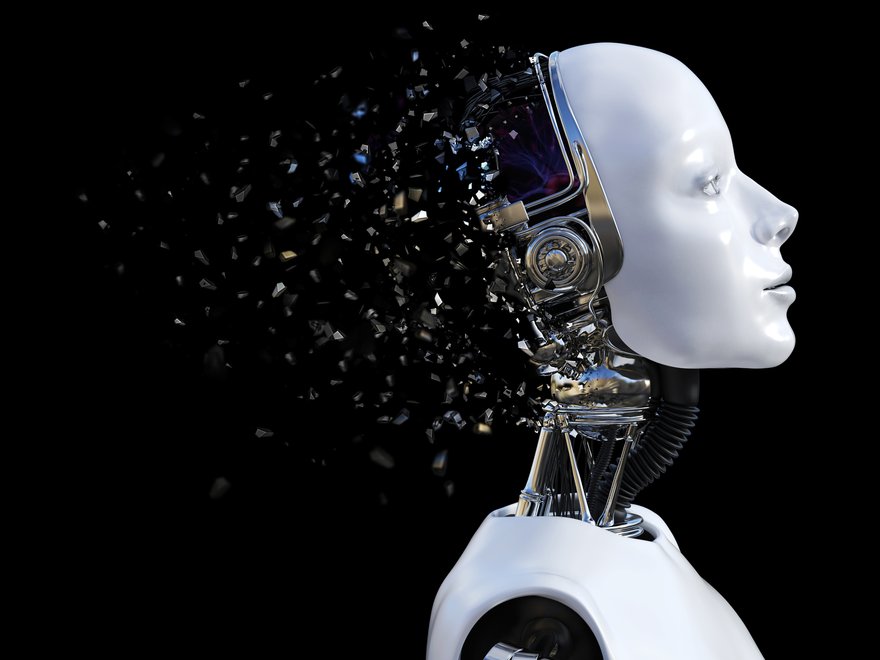
Artificial intelligent robots connect AI with robotics. AI robots are controlled by AI programs and use
different
AI technologies, such as Machine learning, computer vision, RL learning, etc. Usually, most robots are not
AI
robots, these robots are programmed to perform repetitive series of movements, and they don't need any AI to
perform their task. However, these robots are limited in functionality. AI algorithms are necessary when you
want to allow the robot to perform more complex tasks.
A warehousing robot might use a path-finding
algorithm to navigate around the warehouse. A drone might use autonomous navigation to return home when it
is
about to run out of battery. A self-driving car might use a combination of AI algorithms to detect and avoid
potential hazards on the road. All these are the examples of artificially intelligent robots.
AI Robotics technology
Robotics dates back to 1898, when Nikola Tesla used radio waves to remotely direct the movement of a robot
boat
in a miniature man-made pond during an electrical exhibition at Madison Square Garden in New York. Roughly
50
years later, British polymath Alan Turing explored the mathematical potential of AI. With robotics on the
scene,
and AI getting a closer look among researchers, it didn’t take long before the two were combined together to
create an AI robot: The Stanford Research Institute developed the AI robot Shakey from 1966 to 1972; it
marked
the first mobile robot that could reason about its actions, according to the Computer History
Museum.
Through the use of robotics, AutoStore aids businesses with order fulfillment solutions.
AutoStore specifically delivers cube storage automation, which optimizes space efficiency. The company
offers
five modules in its system: robots, grids, bins, ports and controllers. Each module’s function collaborates
to
retrieve order products, manage and store inventory and fulfill orders.